

All posts by dramulyabharat_admin

The “Always-On” Era: Navigating AI Anxiety in 2026

AI Anxiety

The Hook: It’s 2026, and AI isn’t just in our phones—it’s in our workflows, our creative spaces, and even our therapy apps. But as the “Silicon Colleague” becomes a permanent fixture, a new clinical phenomenon is emerging: AI Anxiety.

The Core Issue: Many of us feel a persistent “background hum” of stress regarding job security and the rapid pace of automation. Psychiatrists are increasingly seeing patients with symptoms of “Digital Dysphoria”—a sense of being overwhelmed by the inhuman speed of technological change.

Practical Takeaways:

  • The 20-20-20 Digital Rule: For every 20 minutes of interacting with AI or screens, look at something “analog” 20 feet away for 20 seconds.

  • Audit Your AI Use: Are you using AI for efficiency, or as an emotional crutch? In 2026, we’ve learned that while AI can offer data, it cannot offer empathy.

  • Set Boundaries: Just as we learned to “disconnect” from emails in the 2010s, we must now learn to “disconnect” from generative simulations to ground ourselves in human reality.

Key Thought: In a world of artificial intelligence, your human “emotional intelligence” is your greatest asset and your best defense against burnout.
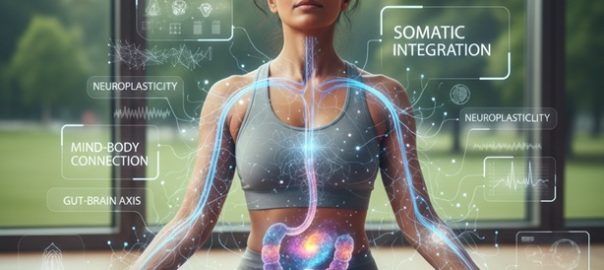

Beyond the Couch: The Rise of Somatic Psychiatry

Somatic Psychiatry

The Hook: For decades, psychiatry was often seen as “the neck up” science. In 2026, we’ve officially entered the era of Somatic Integration, recognizing that the mind and body aren’t just connected—they are the same system.

What’s New? Recent breakthroughs in Neuroplasticity have shown that chronic stress doesn’t just “feel” bad; it physically changes our neural pathways and inflammatory markers. We are moving away from “just talking about it” to “moving through it.”

Why It Matters: Modern treatments are now incorporating:

  1. Vagus Nerve Stimulation: Using breathwork and medical devices to “reset” the nervous system.

  2. Nutritional Psychiatry: Understanding how your gut microbiome acts as your “second brain” to produce serotonin.

  3. Trauma-Informed Movement: Using yoga and sensory awareness to release “stored” trauma that talk therapy alone might not reach.

The Goal: To treat the person, not just the diagnosis. If your body feels unsafe, your mind will never feel at peace.

The End of “One-Size-Fits-All”: Precision Medicine in Mental Health

Precision Psychiatry

The Hook: Remember when finding the right antidepressant felt like a game of trial and error? By 2026, the “wait and see” approach is becoming a thing of the past thanks to Precision Psychiatry.

The Breakthrough: We are now using a combination of Pharmacogenomics (genetic testing for medication compatibility) and Digital Phenotyping. By analyzing subtle patterns in sleep, speech, and even typing speed via wearables, clinicians can now predict depressive episodes before the patient even feels them.

What This Means for You:

  • Personalized Dosages: Medications are increasingly tailored to your specific metabolic rate.

  • Rapid-Acting Interventions: Treatments like Esketamine and neurostimulation are providing relief in hours rather than weeks for treatment-resistant cases.

  • Data-Informed Therapy: Your therapist can now see objective data on your stress levels throughout the week, leading to much more productive sessions.

The Bottom Line: Mental healthcare is becoming as precise as a GPS. We aren’t just guessing where you are; we’re mapping the exact route to where you want to be.